
Free Emergency Crisis Management Training Course
Hannah B
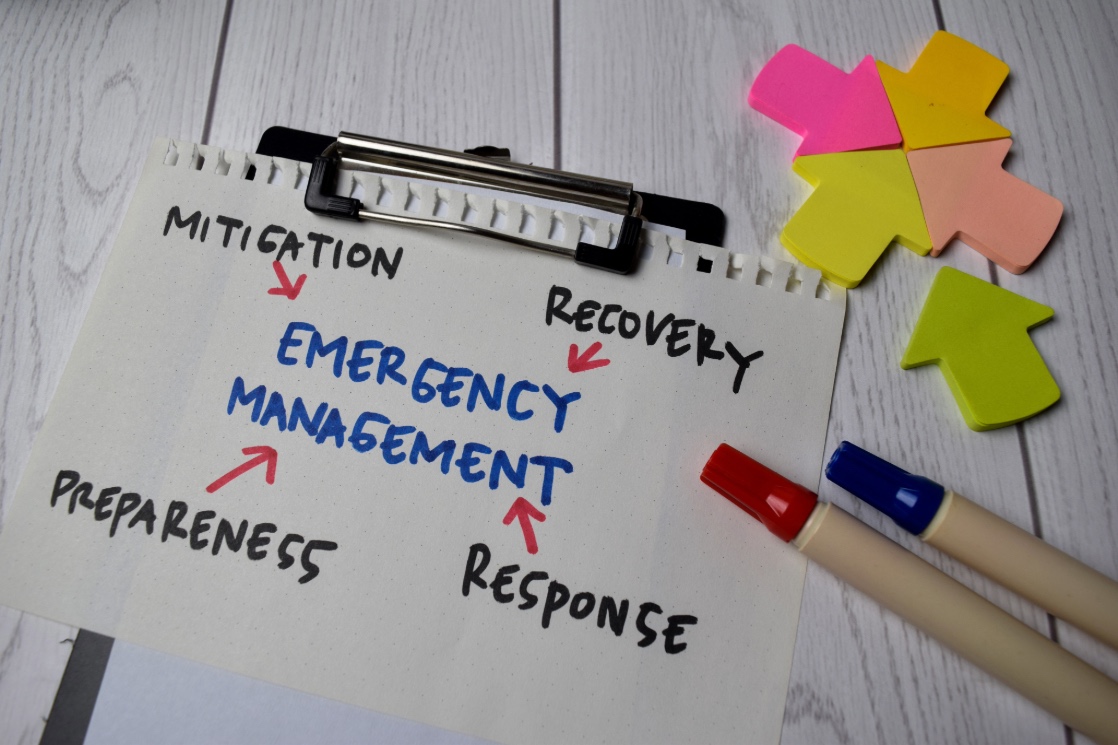
Free Emergency Crisis Management Training Course
Build practical crisis readiness skills with this free online Emergency Crisis Management training course from Certified CPD. In just 45 minutes, you will gain a clear introduction to how organisations prepare for disruption, respond under pressure, communicate effectively, and recover with greater confidence after an emergency or crisis.
This beginner-friendly course is designed for professionals, managers, safety staff, operations teams, HR professionals, business owners, compliance teams, and anyone who wants to understand the essentials of crisis management in a practical workplace context.
Whether you work in a small business, public-facing service, industrial environment, office-based organisation, education setting, healthcare-related workplace, or distributed team, crises can happen quickly. The difference between a difficult incident and a more serious organisational failure often comes down to preparation, communication, decision-making, and the ability to learn after the event.
This free course gives learners a practical starting point.
What Is Emergency Crisis Management?
Emergency crisis management is the structured process of preparing for, responding to, managing, and recovering from unexpected events that could disrupt people, operations, safety, reputation, assets, service delivery, or business continuity.
A crisis can take many forms. It may involve a workplace accident, cyber disruption, fire, flood, serious health and safety incident, supply chain failure, operational breakdown, security threat, reputational issue, natural disaster, major service interruption, or sudden loss of key resources. Some crises are fast-moving and visible. Others build gradually until they threaten normal operations.
Effective crisis management helps organisations make better decisions when the pressure is high. It gives people a clearer understanding of roles, escalation routes, communication responsibilities, and recovery priorities. Instead of reacting in confusion, teams are better prepared to assess the situation, protect people, coordinate action, and reduce harm.
Crisis management does not begin when the emergency happens. It begins earlier, with risk awareness, planning, training, and proportionate controls. Organisations need to understand the risks they face, how those risks could affect their people and operations, and what arrangements should be in place before disruption occurs.
Professionals who want to build this wider foundation can continue with the ISO 31000 Risk Management course, which helps connect crisis preparedness with stronger risk identification, assessment, treatment, and decision-making.
Why Crisis Management Training Matters
Many organisations only think seriously about crisis management after something has gone wrong. By that stage, the impact may already be greater than it needed to be. Confusion, unclear responsibilities, poor communication, delayed decisions, and inconsistent escalation can all make an emergency harder to control.
Crisis management training helps people understand what should happen before, during, and after a disruptive event. Even a short awareness course can make a meaningful difference by helping staff recognise warning signs, understand escalation, communicate more clearly, and support a coordinated response.
Good crisis management training also improves organisational resilience. Resilience is not just about having a written plan. It is about whether people know how to act when normal routines stop working. A crisis may require teams to make decisions with limited information, manage competing priorities, support affected people, protect critical operations, and maintain trust with employees, customers, regulators, suppliers, or the wider public.
Training gives professionals a shared language for those moments. It helps teams understand the difference between a routine incident and a major crisis. It also encourages better preparation, so organisations are not relying on improvisation when the stakes are high.
What You Will Learn
By completing this free Emergency Crisis Management training course, you will gain a practical introduction to the core principles of crisis readiness and response.
The course covers:
- What crisis management means in a professional setting
- How to identify potential crisis risks before they escalate
- The difference between routine incidents, emergencies, and major crises
- Why clear roles and responsibilities matter during disruption
- How crisis communication supports trust, coordination, and decision-making
- Why response planning is important for teams and organisations
- How organisations recover, review, and improve after a crisis
- How crisis management connects with wider risk management, safety, business continuity, and incident investigation
The course is short, accessible, and designed for learners who need a clear foundation without committing to a long programme. It focuses on practical workplace understanding rather than unnecessary theory.
Who Is This Course For?
This course is suitable for a wide range of professionals and teams. You do not need previous crisis management experience to take part.
It is especially useful for:
- Managers and team leaders
- Health and safety professionals
- Operations teams
- Facilities and site management teams
- HR managers and people teams
- Compliance professionals
- Business owners
- Risk and continuity coordinators
- Security and emergency response teams
- Customer-facing service teams
- Anyone involved in organisational readiness or workplace safety
The course is also valuable for organisations that want a simple awareness resource for staff. Not every employee needs to be a crisis specialist, but many people benefit from understanding how crises are managed, how decisions are escalated, and why communication discipline matters during an emergency.
For example, crisis management helps teams coordinate decisions and communication, while Emergency First Aid at Work training supports the immediate response when someone needs urgent first aid in a workplace setting. Together, these skills contribute to a more prepared and capable workforce.
The Difference Between an Incident and a Crisis
One of the most important ideas in crisis management is understanding escalation.
Not every incident is a crisis. A routine incident may be handled through normal procedures, local supervision, or standard operational controls. A crisis is different because it has the potential to seriously disrupt the organisation, affect people’s safety, damage reputation, interrupt essential services, or require senior-level decision-making.
For example, a minor equipment fault may be an operational issue. A major equipment failure that stops production, affects customer delivery, creates safety concerns, and attracts public attention may become a crisis. A single complaint may be handled by customer service. A high-profile reputational issue spreading quickly across media or social channels may require crisis communication and leadership oversight.
Training helps learners recognise this distinction. When people understand escalation triggers, they are more likely to raise concerns early, involve the right decision-makers, and prevent manageable issues from becoming more serious.
Core Stages of Emergency Crisis Management
A strong crisis management approach usually includes several connected stages: preparation, response, communication, recovery, and learning. These stages are not always perfectly separate in real life, but they provide a useful structure for understanding what effective crisis readiness looks like.
Preparation Before a Crisis
Preparation is the foundation of crisis management. This includes identifying potential threats, assessing likely impacts, creating response plans, assigning responsibilities, training staff, and testing arrangements.
Preparation may involve asking questions such as:
- What events could seriously disrupt our people, operations, customers, or reputation?
- Which services, locations, systems, or processes are most critical?
- Who needs to make decisions during an emergency?
- How will information be gathered and verified?
- How will employees, customers, suppliers, regulators, or other stakeholders be informed?
- What resources are needed to respond effectively?
- How will the organisation maintain essential operations?
The goal is not to predict every possible crisis. That is rarely realistic. The goal is to build the capability to respond well when uncertainty appears.
Response During an Emergency
The response stage begins when a disruptive event occurs or appears likely to occur. At this point, the organisation needs to assess the situation, activate appropriate procedures, protect people, stabilise operations, and make timely decisions.
A strong response depends on clear roles. People need to know who is responsible for leadership, communication, safety, operations, logistics, employee support, external liaison, and documentation. Without that clarity, teams may duplicate work, miss critical actions, or send inconsistent messages.
Good response also depends on reliable information. During a crisis, rumours and assumptions can spread quickly. Decision-makers need a process for collecting facts, confirming what is known, identifying what remains uncertain, and updating decisions as the situation develops.
Crisis Communication
Communication is one of the most visible parts of crisis management. Poor communication can damage trust even when operational decisions are sound. Clear, timely, and accurate communication helps people understand what is happening, what actions are being taken, and what they need to do.
Crisis communication may involve internal updates to staff, briefings for managers, messages to customers, contact with suppliers, communication with regulators, statements to the public, or coordination with emergency services and other stakeholders.
The tone matters. Communication should be calm, factual, and proportionate. It should avoid speculation, overconfidence, defensiveness, or unnecessary delay. In a crisis, people do not expect every answer immediately, but they do expect honesty, clarity, and visible responsibility.
Recovery After a Crisis
Recovery begins once the immediate situation is under control, but it should not be treated as an afterthought. Organisations need to restore normal operations where possible, support affected people, manage ongoing risks, repair relationships, and understand what has changed.
Recovery may include returning services to normal, replacing damaged assets, supporting staff wellbeing, communicating with customers, managing reputational impact, meeting regulatory obligations, and reviewing business continuity arrangements.
The recovery stage is also where organisations begin to convert experience into improvement. A crisis can reveal weaknesses in planning, training, communication, leadership, systems, supply chains, or safety controls. Those lessons should be captured and acted on.
Learning and Improvement
After a crisis or workplace incident, organisations need a structured way to understand what happened and prevent recurrence. This is especially important for safety professionals, operational leaders, and anyone responsible for corrective action.
A useful review should look beyond the most obvious cause. It should examine decisions, systems, controls, communication, supervision, resources, training, and organisational conditions. The aim is not simply to assign blame, but to identify what can be improved.
Professionals responsible for incident analysis and corrective action may want to progress into the ICAM Lead Investigator Programme, which provides a stronger framework for understanding incidents, contributing factors, and prevention.
What Makes This Free Course Useful?
This free Emergency Crisis Management course is useful because it gives learners a clear introduction without overwhelming them. It focuses on the core ideas professionals need to understand: preparation, escalation, communication, response, recovery, and improvement.
Rather than treating crisis management as abstract theory, the course presents it as a practical workplace skill. Learners finish with a better understanding of how organisations can prepare for uncertainty and respond more confidently when normal operations are disrupted.
The course is also useful because it can act as a first step. Some learners may take it to improve their own awareness. Others may use it as part of a wider professional development pathway that includes risk management, health and safety, first aid, business continuity, emergency planning, or incident investigation.
Course Format
This is a free online course that can be completed at your own pace.
Course highlights:
- Free online access
- Approximately 45 minutes to complete
- Beginner-friendly structure
- Suitable for individuals and teams
- Practical workplace focus
- Designed by Certified CPD
- Useful for professional development and staff awareness
- Accessible for learners with no previous crisis management experience
The short format makes it suitable for busy professionals who need an efficient introduction to the subject. It can also be used by organisations as a simple awareness course for staff who may need to understand the basics of crisis readiness.
How Crisis Management Supports Organisational Resilience
Organisational resilience is the ability to adapt, respond, and recover when faced with disruption. Crisis management is one of the practical disciplines that supports that resilience.
A resilient organisation is not one that avoids every crisis. No organisation can control every external event, operational failure, cyber risk, environmental threat, or reputational challenge. Instead, resilience comes from being prepared enough to respond well when disruption occurs.
Crisis management supports resilience by helping organisations:
- Identify credible threats and vulnerabilities
- Create clear escalation and response arrangements
- Protect people and critical operations
- Communicate with confidence and consistency
- Reduce confusion during high-pressure events
- Recover faster after disruption
- Learn from incidents and improve future controls
This is why crisis management should not be seen as a separate activity that only matters during emergencies. It is connected to everyday management, leadership, risk awareness, safety culture, operational discipline, and business continuity.
Why Clear Roles and Responsibilities Matter
One of the most common problems during a crisis is uncertainty about who is responsible for what. When roles are unclear, teams can lose time at the exact moment when fast, coordinated action is needed.
Clear roles help people understand who is leading the response, who is gathering information, who is communicating with staff, who is liaising with external parties, who is making operational decisions, and who is recording key actions.
This does not mean every crisis can be scripted in detail. Real crises are often messy and unpredictable. But having an agreed structure helps people adapt more effectively. It reduces confusion, improves accountability, and supports better decision-making under pressure.
Why Communication Can Shape the Outcome of a Crisis
Communication does not simply describe a crisis. It can influence how the crisis develops.
When communication is slow, vague, defensive, or inconsistent, people may lose trust. Employees may become uncertain about what to do. Customers may feel ignored. Stakeholders may assume the organisation is not in control. Rumours may fill the gap left by silence.
When communication is clear, timely, and honest, it helps stabilise the situation. It gives people direction. It shows that the organisation is paying attention. It also helps decision-makers maintain a shared picture of what is happening.
Good crisis communication should be based on facts, empathy, and responsibility. It should acknowledge what is known, explain what actions are being taken, and provide updates as the situation changes.
A Practical Starting Point for Teams
This free course can be used as a practical starting point for team awareness. It introduces the language, structure, and thinking used in professional crisis management, making it easier for staff to understand their role in preparedness and response.
For organisations, this type of awareness training can support stronger resilience, safer decision-making, and better coordination when normal operations are disrupted. It can sit alongside wider training in risk management, emergency response, health and safety, business continuity, first aid, compliance, and incident investigation.
A short course will not replace a full crisis management programme, a detailed emergency plan, or specialist training for crisis leadership teams. However, it can help create a stronger foundation. When more people understand the basics, the organisation is better placed to respond in a coordinated way.
Start Your Free Emergency Crisis Management Course
If you are responsible for people, operations, safety, communication, compliance, customer service, risk, or business continuity, this free Emergency Crisis Management training course is a practical place to begin.
In just 45 minutes, you can build a clearer understanding of how organisations prepare for disruption, respond during emergencies, communicate under pressure, and recover after a crisis.
Start the free course today and build a stronger foundation in crisis readiness, response, and organisational resilience: Emergency Crisis Management course
FAQ
What is emergency crisis management?
Emergency crisis management is the process of preparing for, responding to, and recovering from unexpected events that could disrupt people, safety, operations, reputation, or business continuity. It helps organisations make better decisions under pressure and reduce the impact of disruptive events.
Is this Emergency Crisis Management course free?
Yes. The course is offered as a free online training course from Certified CPD and is designed to provide a practical introduction to crisis management in a workplace context.
How long does the course take?
The course takes approximately 45 minutes to complete, making it suitable for busy professionals and teams who need a concise introduction to crisis readiness and response.
Who should take this course?
The course is suitable for managers, team leaders, operations teams, health and safety professionals, HR staff, facilities teams, compliance professionals, business owners, and anyone involved in organisational preparedness or emergency response.
Do I need previous crisis management experience?
No previous experience is required. The course is designed as a beginner-friendly introduction for individuals and teams who want to understand the essentials of crisis management.
What types of crises does the course relate to?
The course is relevant to many types of organisational disruption, including workplace incidents, operational failures, cyber disruption, safety emergencies, reputational issues, natural disasters, service interruptions, and security-related events.
How does crisis management connect with risk management?
Risk management helps organisations identify, assess, and treat potential threats before they become serious. Crisis management focuses on how organisations respond when disruption occurs. Professionals who want to strengthen the risk side of preparedness can take the ISO 31000 Risk Management course.
How does this course relate to first aid training?
Crisis management helps organisations coordinate decisions, communication, and recovery during emergencies. First aid training supports immediate care when someone is injured or unwell. Teams responsible for workplace readiness may benefit from both crisis management awareness and Emergency First Aid at Work training.
What should organisations do after a crisis?
After a crisis, organisations should review what happened, support affected people, restore operations, identify lessons, and implement improvements. For deeper post-incident analysis, safety professionals may progress to the ICAM Lead Investigator Programme.
Is this course suitable for team training?
Yes. The course can be used as a simple awareness resource for teams that need a shared understanding of crisis readiness, escalation, communication, response, and recovery.